
Blogs
Confinement Food Guide: What to Eat for a Faster Recovery
Blogs
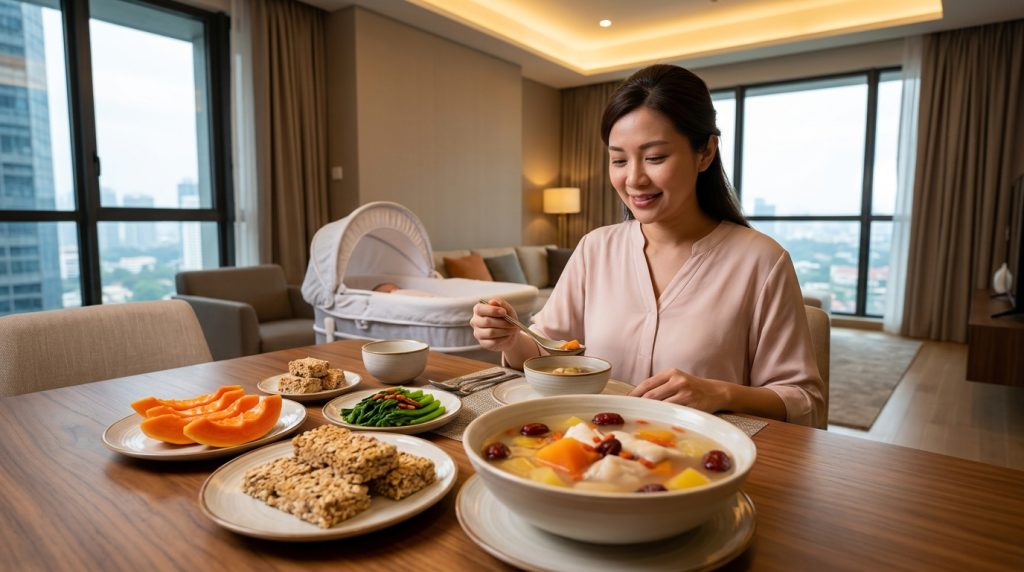
Giving birth is one of the most transformative experiences a woman can go through — and what you eat during your confinement period plays a huge role in how quickly and comfortably your body recovers. In Malaysia, confinement food has been passed down for generations, blending Chinese, Malay, and Indian traditional wisdom with modern nutritional science.
At The Senses Confinement Centre, with outlets in SS7 Petaling Jaya, Kota Kemuning, and Section 16 Petaling Jaya, our confinement meals are carefully designed by experienced confinement chefs to help new mothers heal faster, restore energy, and support healthy breastfeeding. In this guide, we break down exactly what to eat (and what to avoid) during your confinement period. recovery, yourbaby’s care, and your family’s peace of mind.
What Is Confinement Food and Why Does It Matter?
Confinement food refers to a specific diet followed by mothers during the traditional postpartum recovery period — typically the first 30 to 44 days after delivery. This period, known as “zuo yue zi” (坐月子) in Chinese culture or “pantang” in Malay tradition, focuses on replenishing nutrients lost during childbirth, promoting wound healing, boosting milk supply, and restoring the body’s internal balance (“qi” and blood).
A well-planned postpartum recovery diet isn’t just about tradition — it’s backed by real nutritional needs. After childbirth, a mother’s body requires higher levels of protein, iron, calcium, and warming ingredients to recover from blood loss, support hormone regulation, and produce breast milk.
Best Confinement Foods for Faster Recovery
1. Ginger and Sesame Oil Dishes
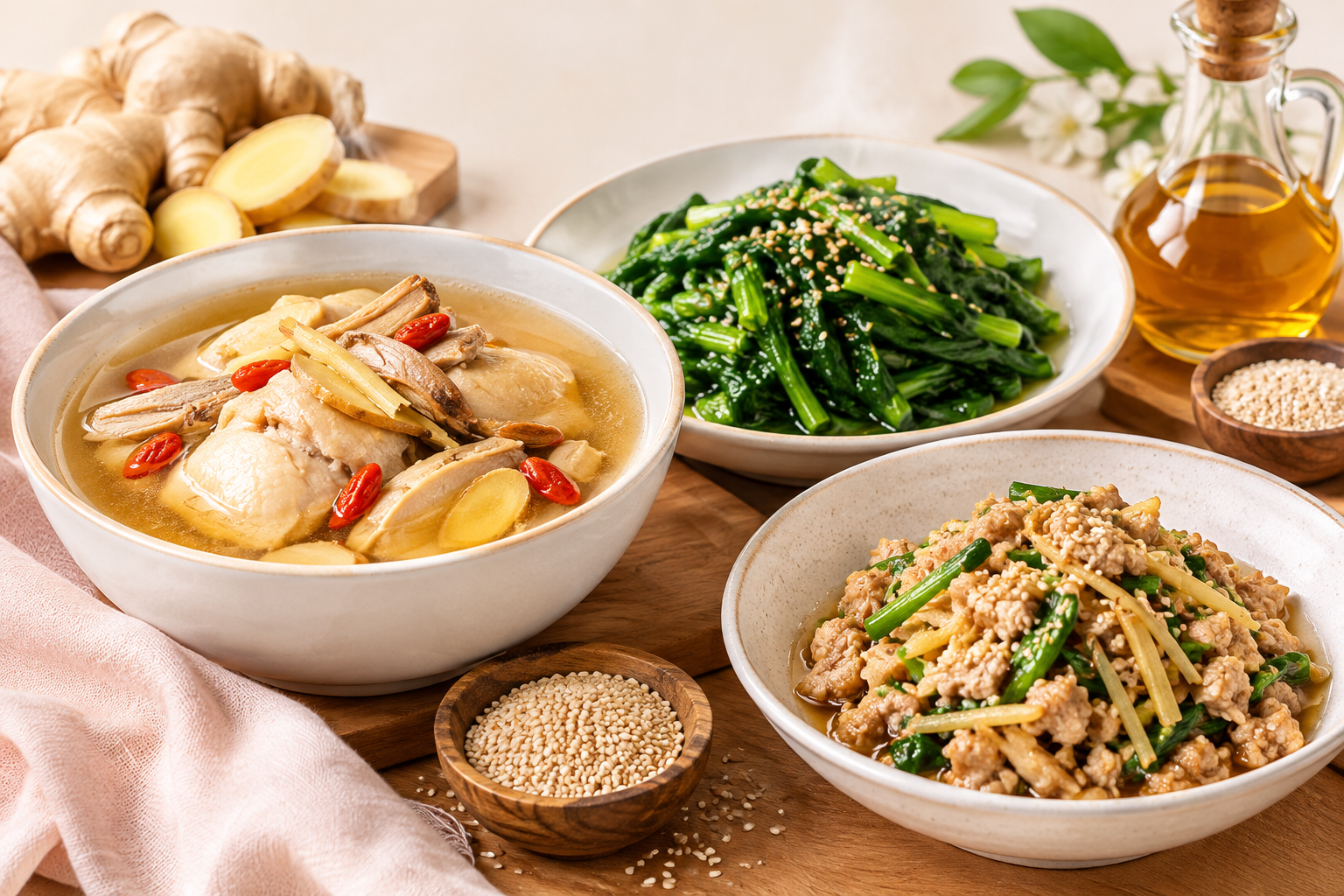
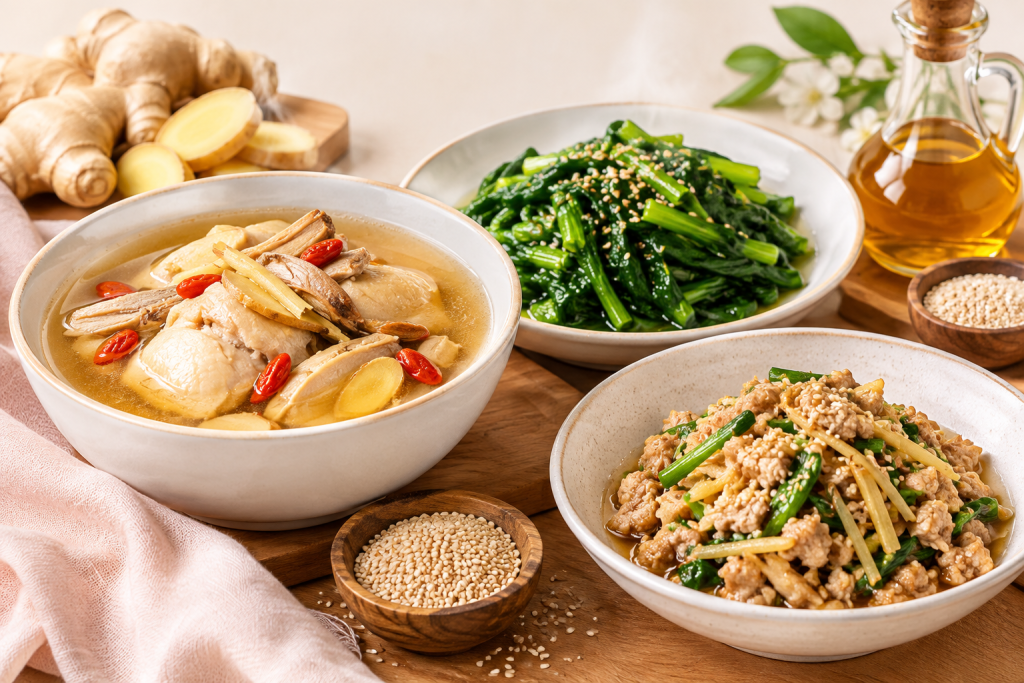
Ginger is the cornerstone of most traditional confinement food. It’s believed to expel “wind” from the body, improve blood circulation, and warm the womb. Dishes like ginger chicken, pig’s trotters with ginger and vinegar, and sesame oil chicken are staples for a reason — they’re rich in warming properties that aid uterine recovery.
2. Red Dates and Wolfberries (Confinement Herbal Soups)
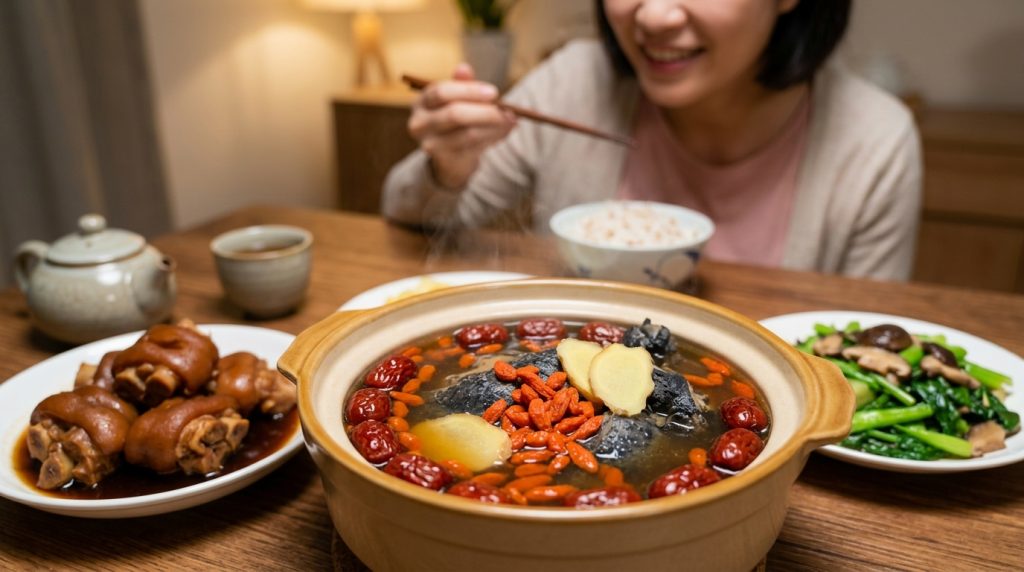
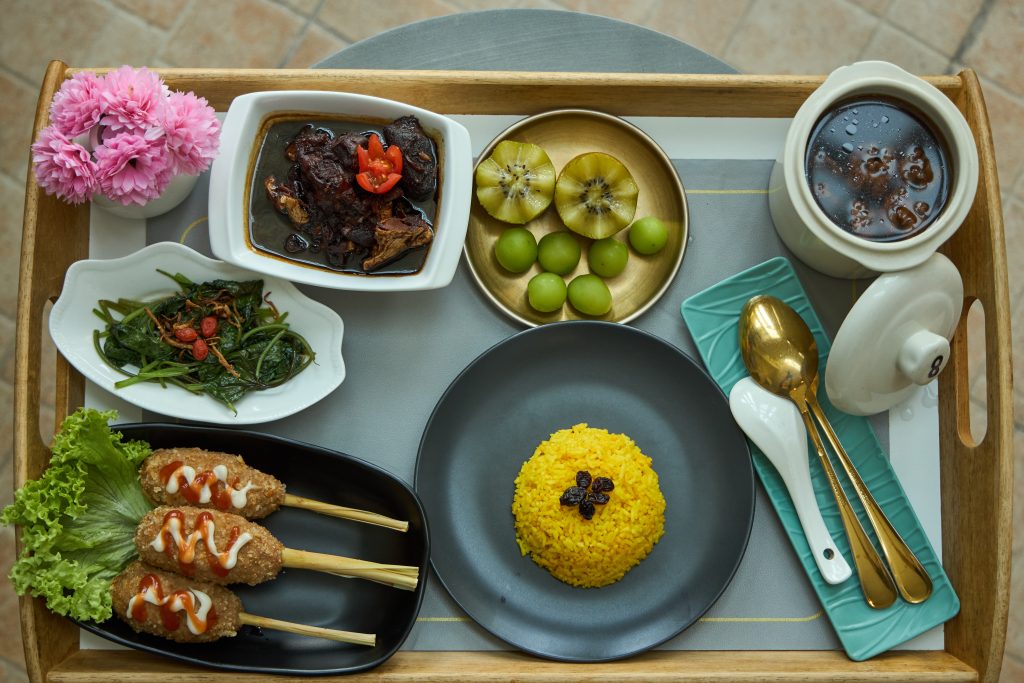
Herbal soups double-boiled with red dates (hong zao), wolfberries (gou qi zi), and other tonic herbs help replenish blood and energy (qi). These soups are gentle on digestion and are a daily staple in most confinement meal plans, including those served at The Senses Confinement Centre.
3. Fish Soup for Breastfeeding Mothers
Fish like snakehead fish (ikan haruan) and papaya fish soup are widely regarded as excellent confinement food for breastfeeding mothers, as they’re believed to promote wound healing and increase milk production, while offering high-quality protein and omega-3 fatty acids.
4. Iron-Rich Foods
Childbirth causes significant blood loss, so replenishing iron is essential. Liver, red meat, spinach, and dark leafy greens (in moderation and properly cooked) help prevent postpartum anemia and fatigue.
5. Brown Rice and Whole Grains
Fibre-rich grains support healthy digestion, which is especially important for mothers who may experience constipation after delivery. They also provide sustained energy throughout the day.
6. Papaya and Lactation-Boosting Foods
Unripe papaya, cooked in soups, is a well-known galactagogue (milk-boosting food) in Malaysian and broader Asian confinement traditions.
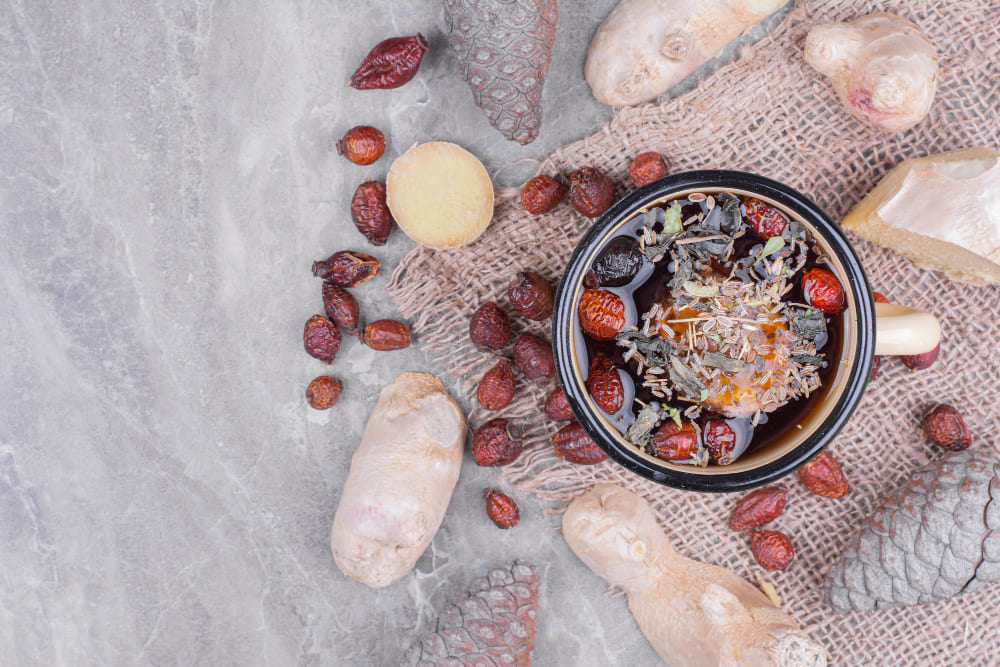
7. Warm Fluids and Red Date Tea
Staying hydrated with warm fluids — rather than cold drinks — is a key principle of confinement dietary practices. Red date tea, in particular, is gentle, warming, and nourishing.
Foods to Avoid During Confinement
- Cold and raw foods (ice water, salads, sashimi) — believed to slow circulation and recovery
- Excessively spicy or oily food — can irritate digestion and affect breastfeeding
- Caffeine and alcohol — can affect milk supply and disrupt baby's sleep
- Overly salty or processed foods — may contribute to water retention
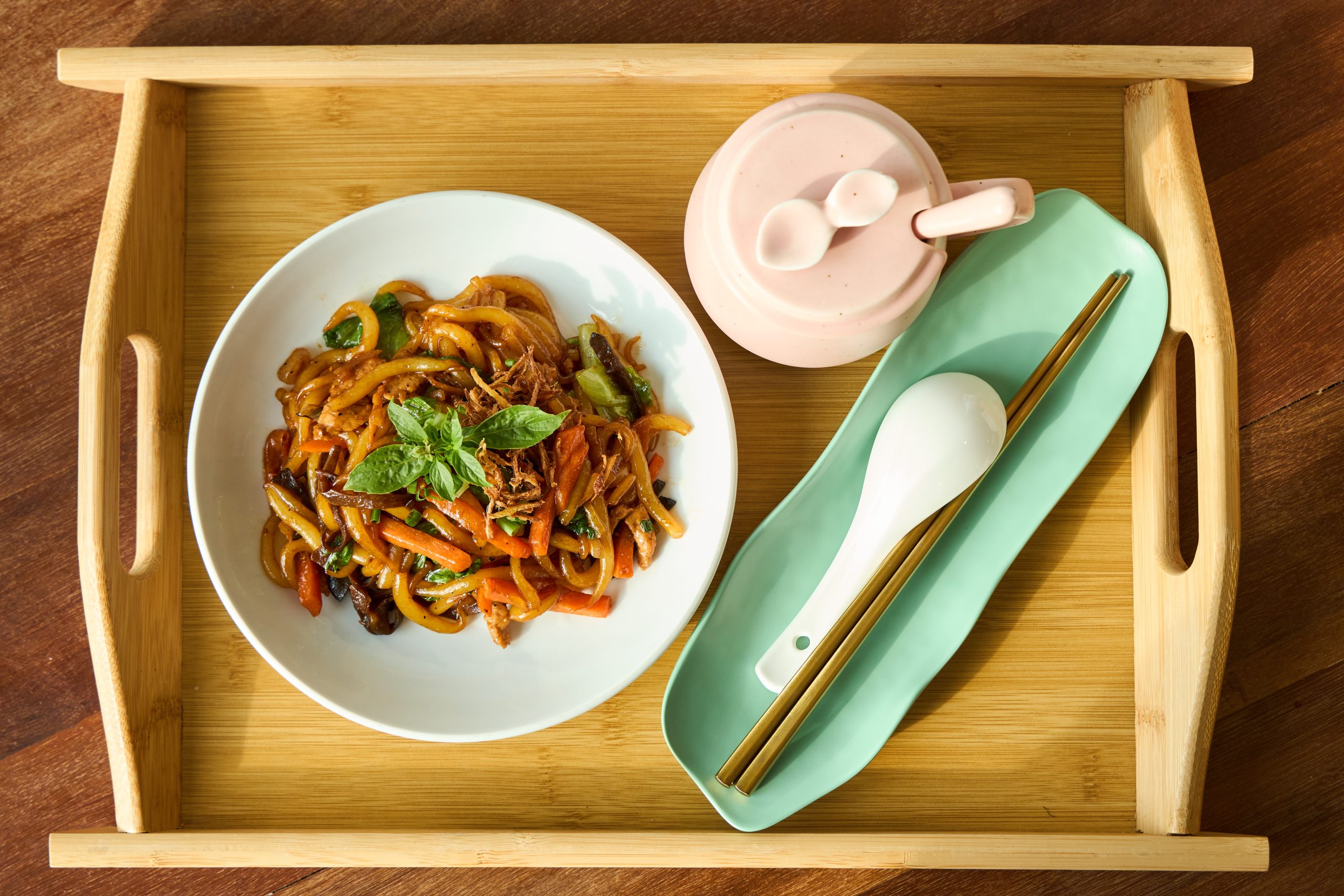
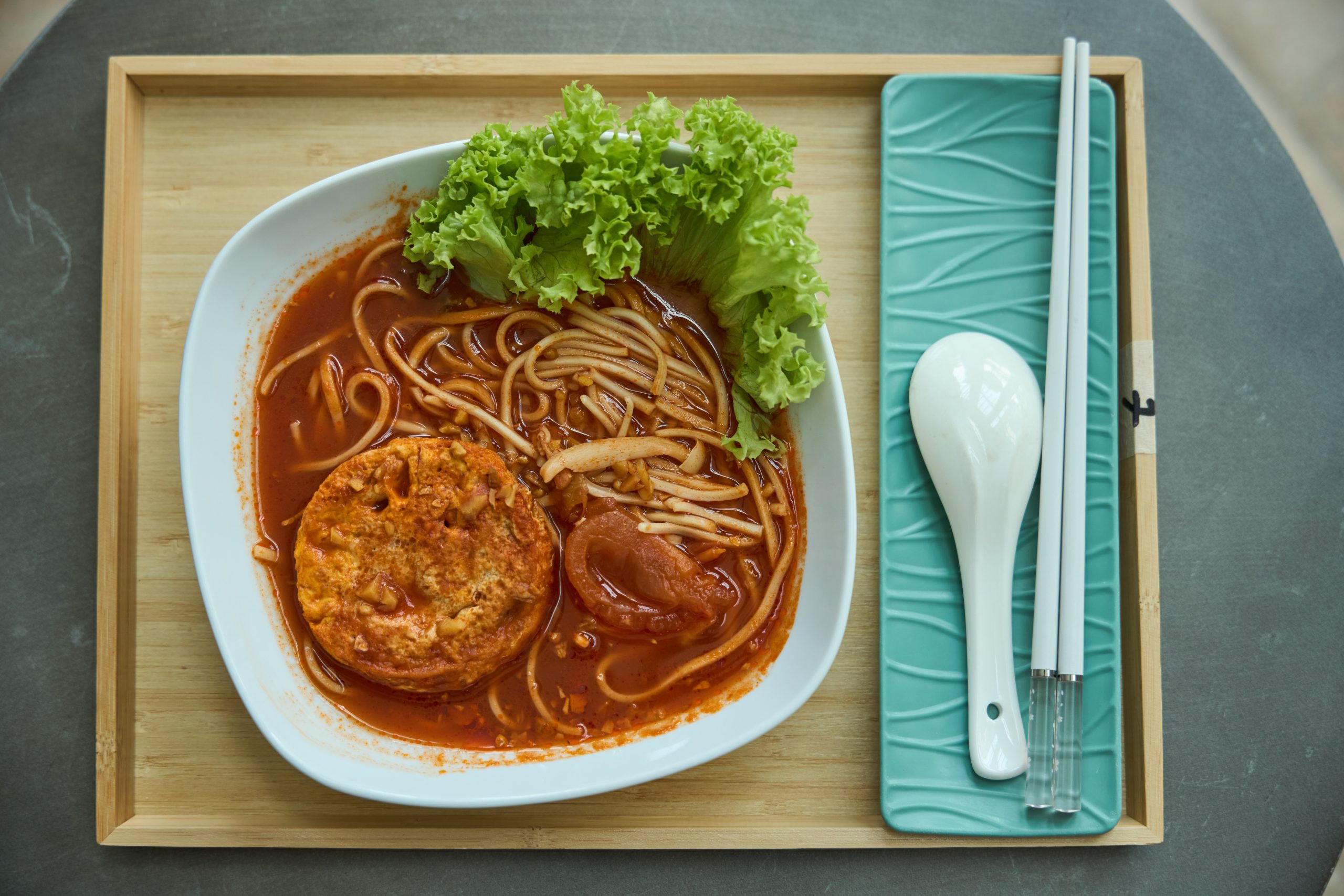
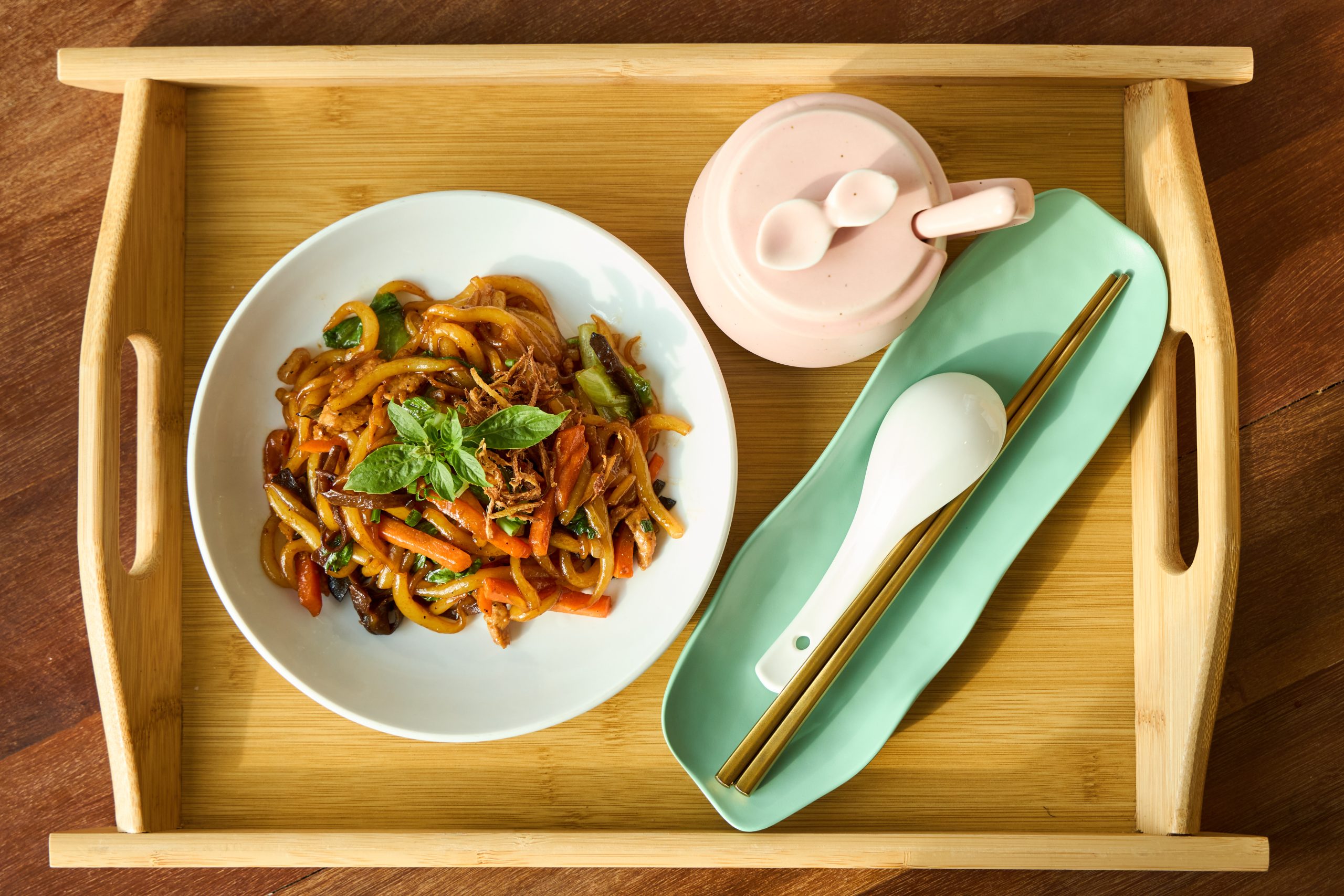
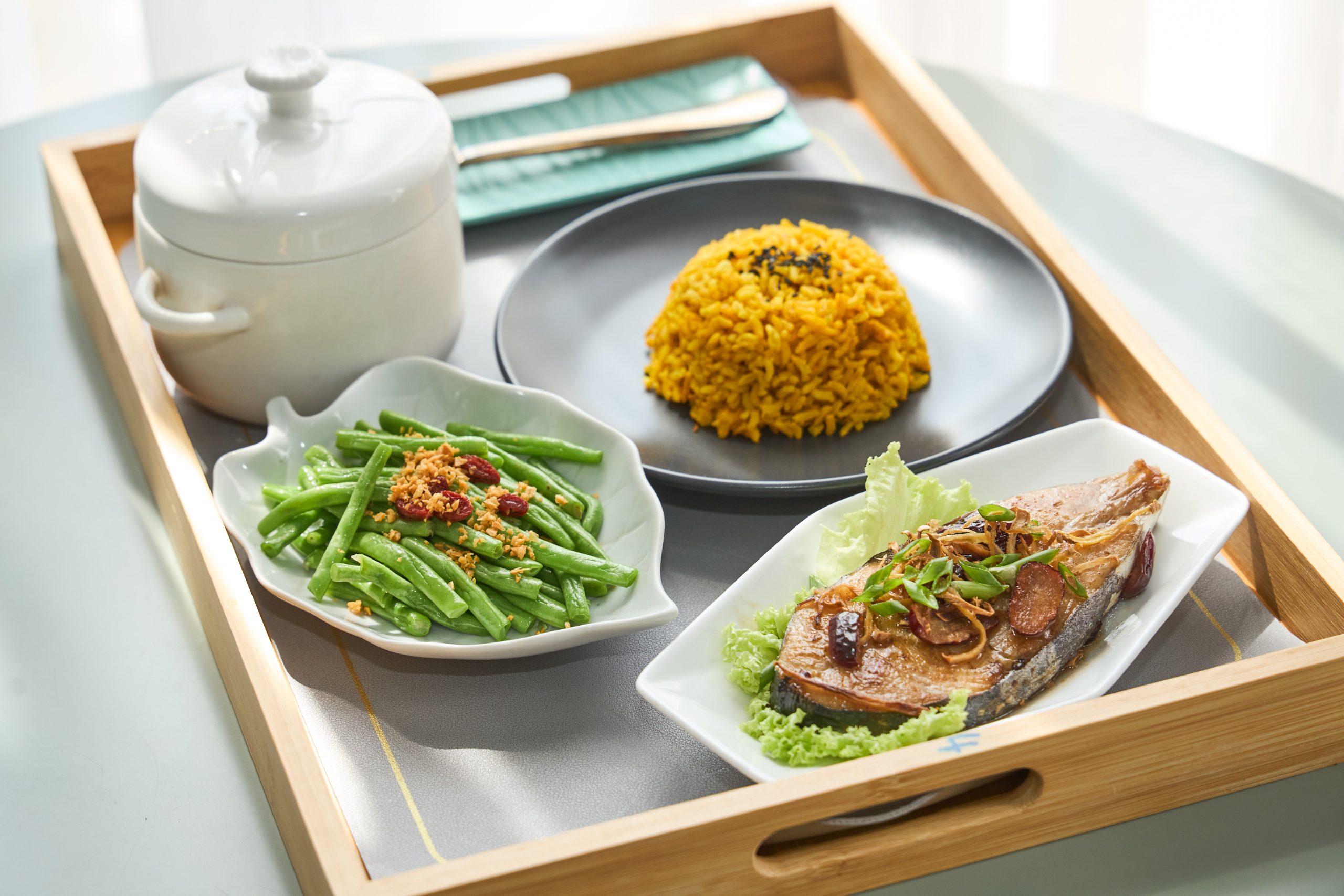
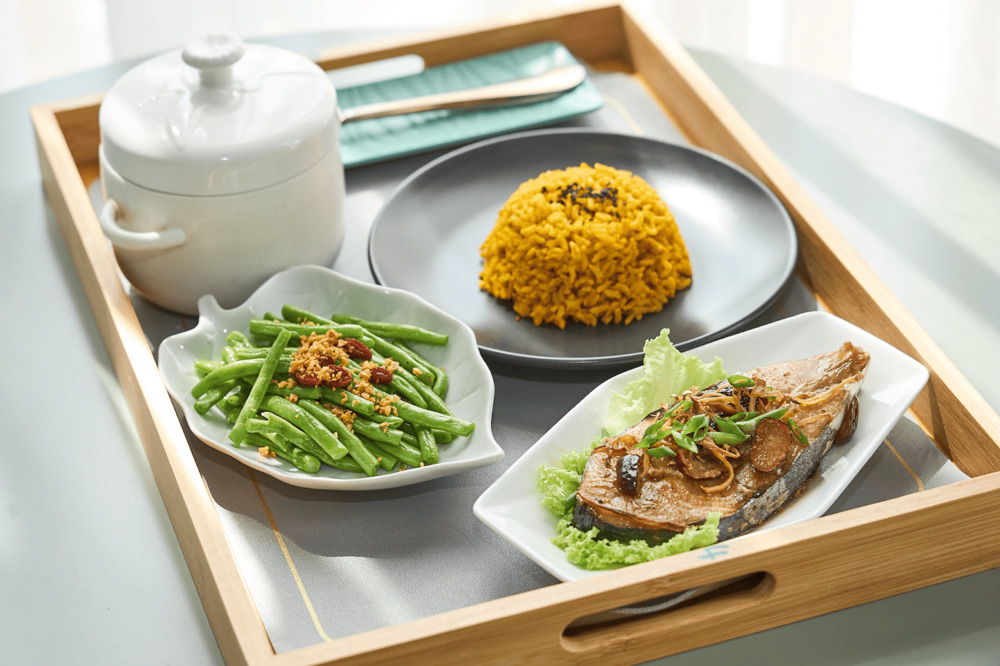
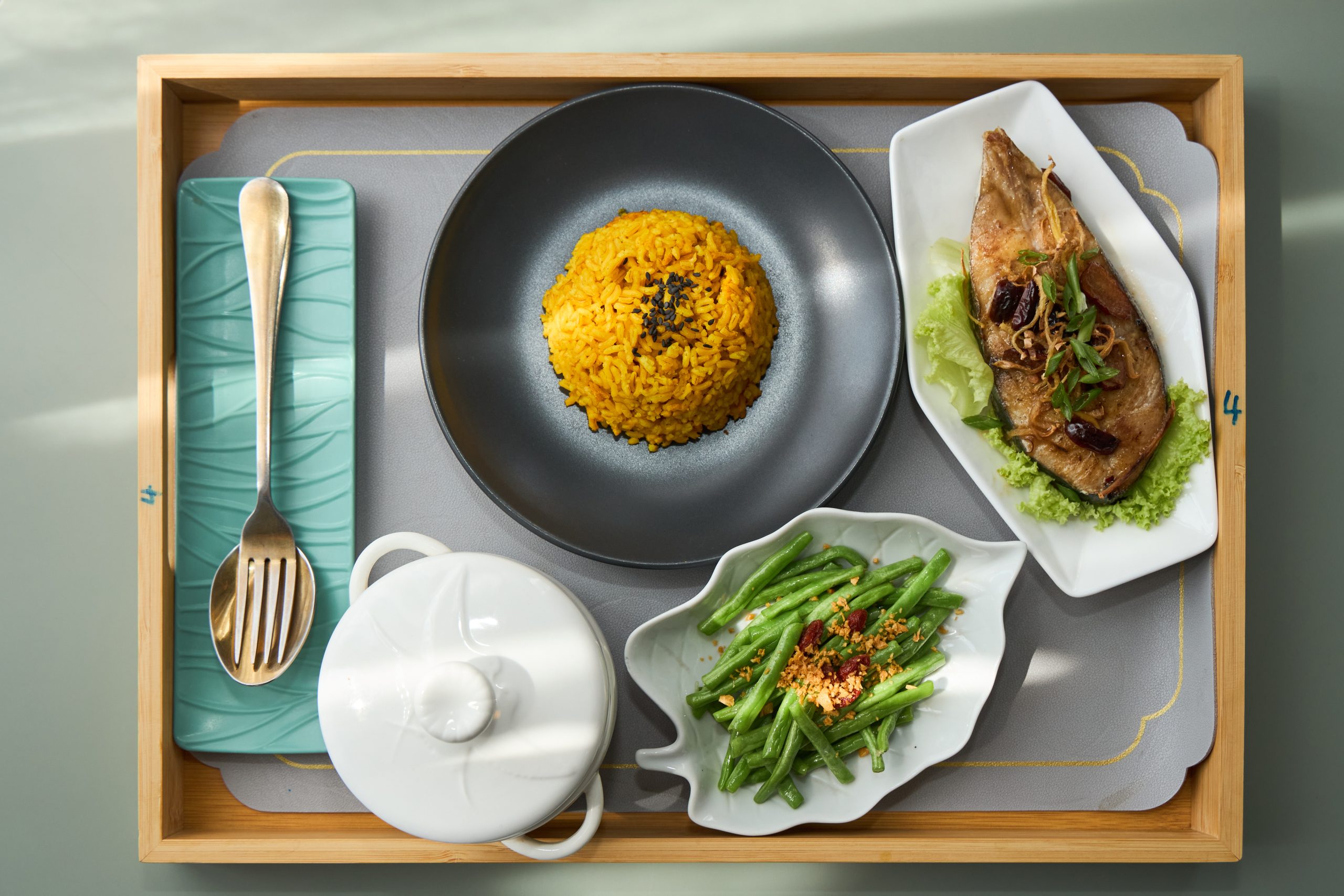
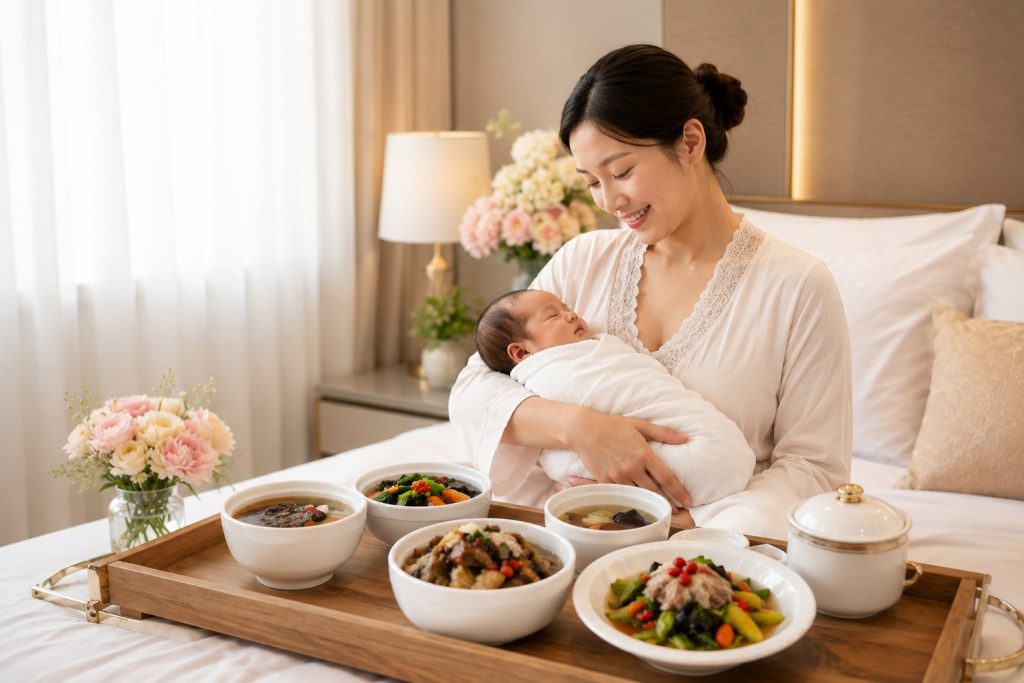
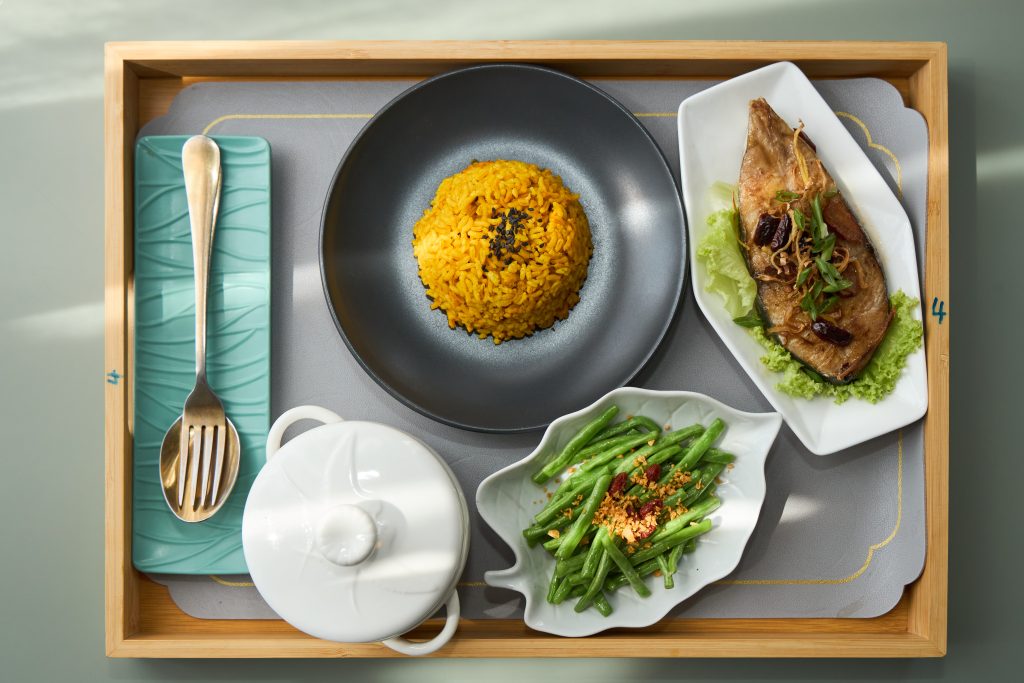
At our confinement centres across Klang Valley and Selangor, every meal is thoughtfully prepared by experienced confinement chefs who understand the balance between traditional wisdom and modern nutrition. Our confinement packages include daily nutrient-dense meals, herbal soups, and lactation-friendly dishes — all designed to help mothers recover faster while enjoying a comfortable, home-like environment.
Whether you choose our SS7 Petaling Jaya, Kota Kemuning, or Section 16 Petaling Jaya outlet, you’ll receive the same commitment to warm, hearty, and healing confinement meals paired with round-the-clock postnatal care.
Frequently Asked Questions
How long should I follow a confinement diet?
Traditionally, confinement lasts 30 to 44 days, though the core dietary principles (warm, nutrient-dense, iron-rich foods) can be continued for as long as needed during recovery.
Can I customise confinement food if I have dietary restrictions?
Yes — at The Senses Confinement Centre, our meal plans can be adjusted for allergies, dietary preferences, and specific health conditions.
Is confinement food only for Chinese mothers?
No. While rooted in Chinese tradition, the core principles — warm, nourishing, iron and protein-rich meals — benefit mothers of all backgrounds recovering from childbirth.
Final Thoughts
Recovering from childbirth takes time, rest, and the right nutrition. A well-structured confinement food guide gives new mothers the foundation they need to heal faster, regain strength, and produce healthy breast milk for their newborns. At The Senses Confinement Centre, we combine generations of confinement food wisdom with professional care — so you can focus on what matters most: bonding with your baby.
Visit us at SS7 Petaling Jaya, Kota Kemuning, or Section 16 Petaling Jaya.
Contact us today to plan your confinement journey.