
Blogs
Confinement Do’s and Don’ts Every First-Time Mum Should Know
Blogs
If this is your first time, you’ve probably been flooded with advice from your mum, mother-in-law, aunties and social media. Some of it is helpful and some of it is confusing.
Confinement (pantang in Malay, zuo yue zi in Chinese) is a period of about 28 to 44 days after birth. It is meant for rest, recovery and bonding with your baby. This guide covers the confinement do’s and don’ts every first-time mum in Malaysia should know, so you can heal well and feel confident.

Quick note: Traditions vary by family and culture. Always check with your doctor or midwife, especially after a C-section or if you have medical conditions.
What Is Confinement and Why Does It Matter?
Your body has just gone through major changes. In the weeks after birth, it needs to:
- Heal from vaginal birth or a C-section
- Recover from blood loss and exhaustion
- Establish breastfeeding
- Adjust to hormonal changes
Confinement gives you structured rest and nourishing food so these things can happen properly. Many mums choose to do it at home with a confinement lady, while others stay at a confinement centre in Klang Valley so professionals can look after both mum and baby around the clock.
Confinement Do’s for First-Time Mums
1. Do rest as much as possible

Sleep when your baby sleeps. Housework, visitors and replying to messages can all wait. Rest is the most important part of postnatal recovery.
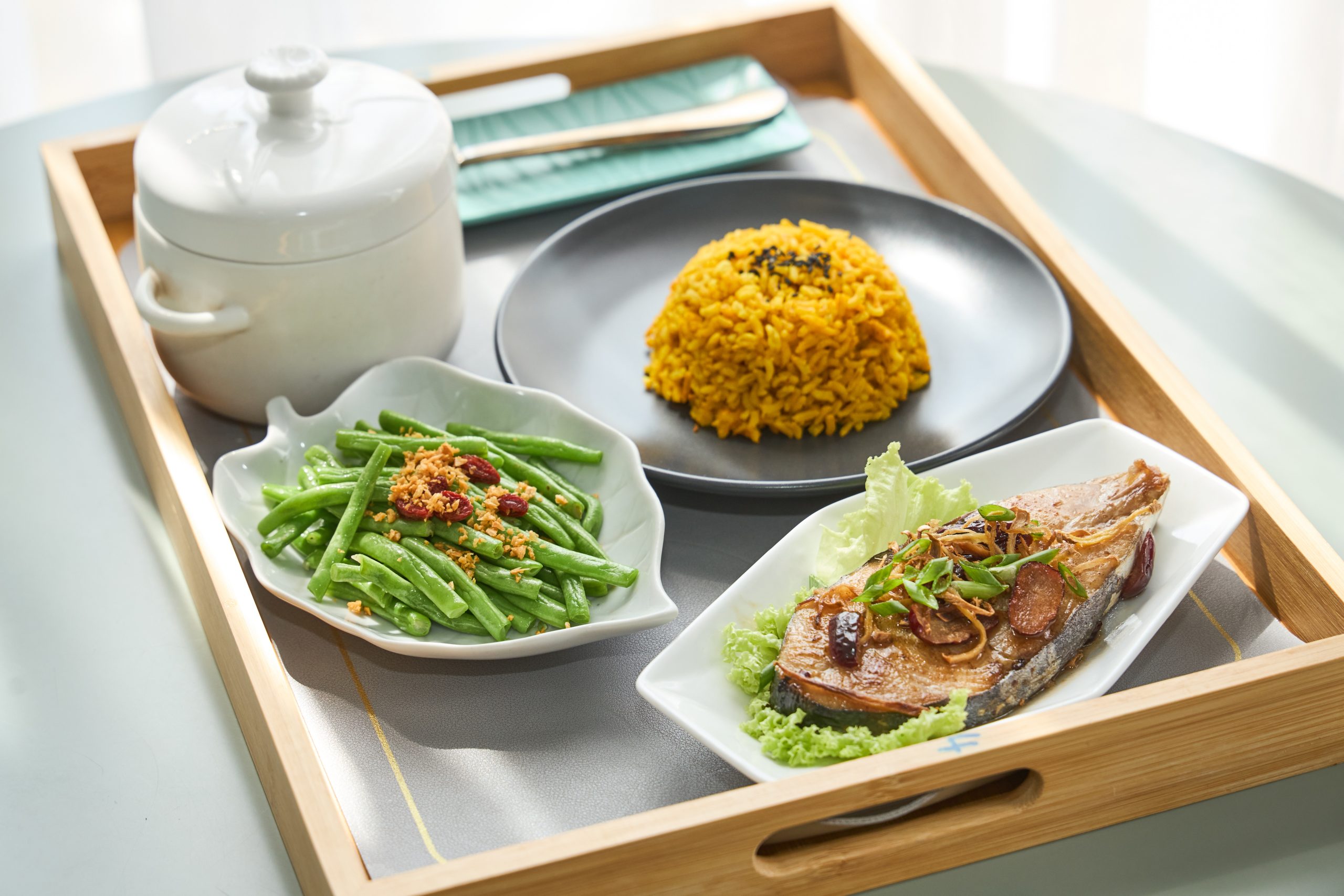
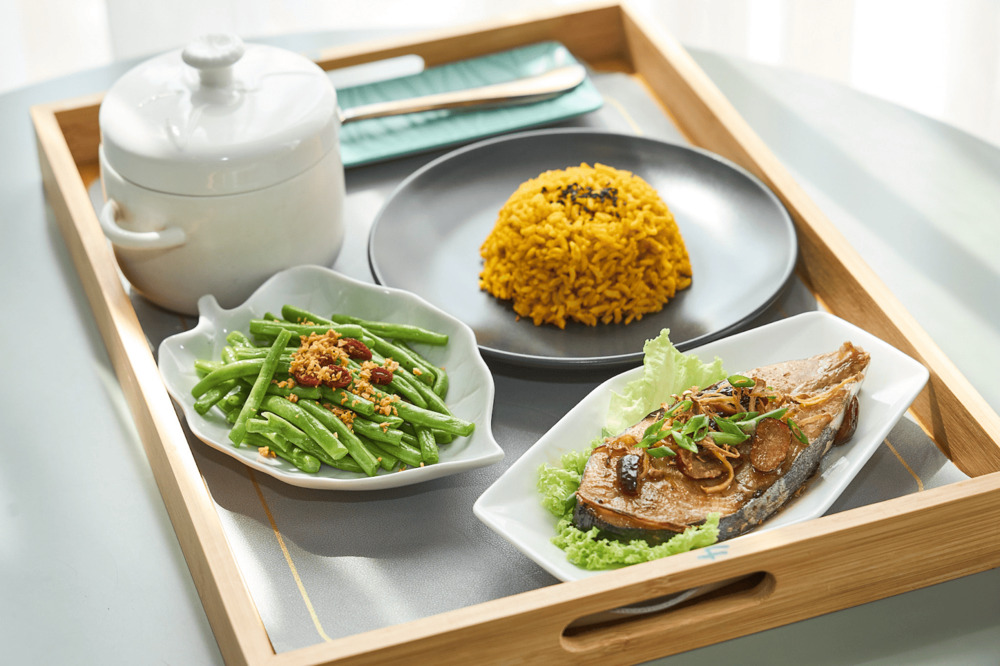
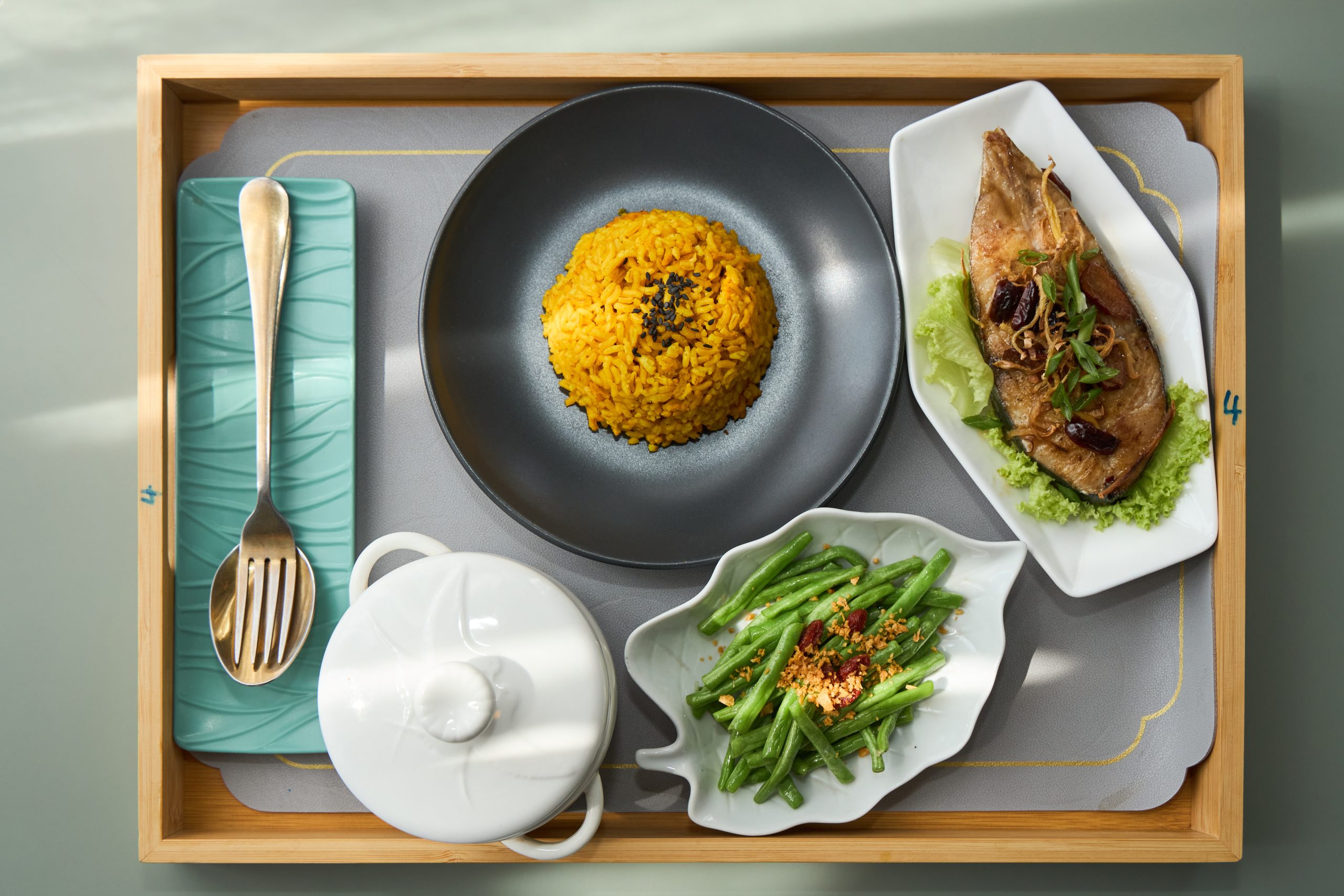
2. Do eat warm, nourishing confinement food
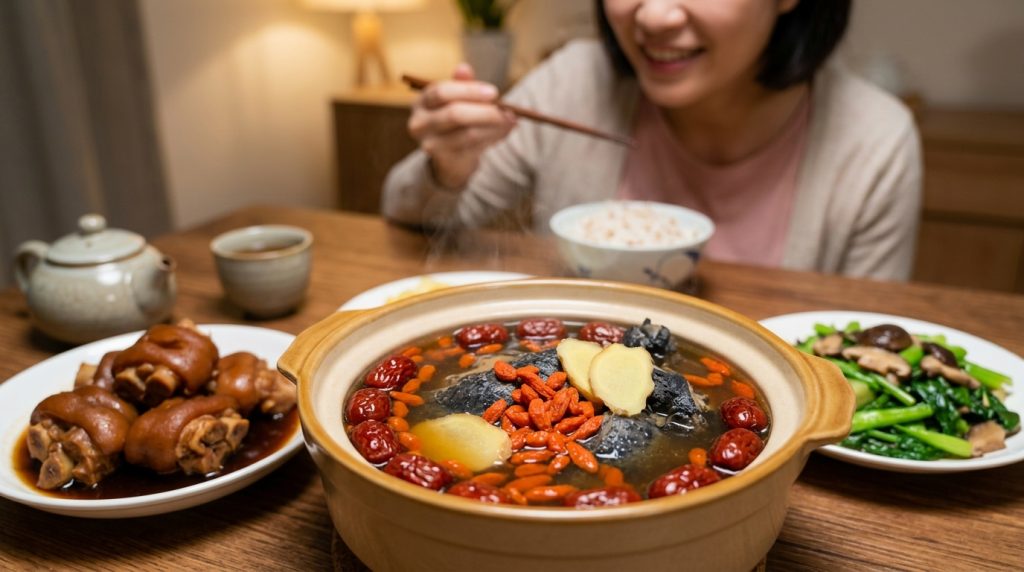
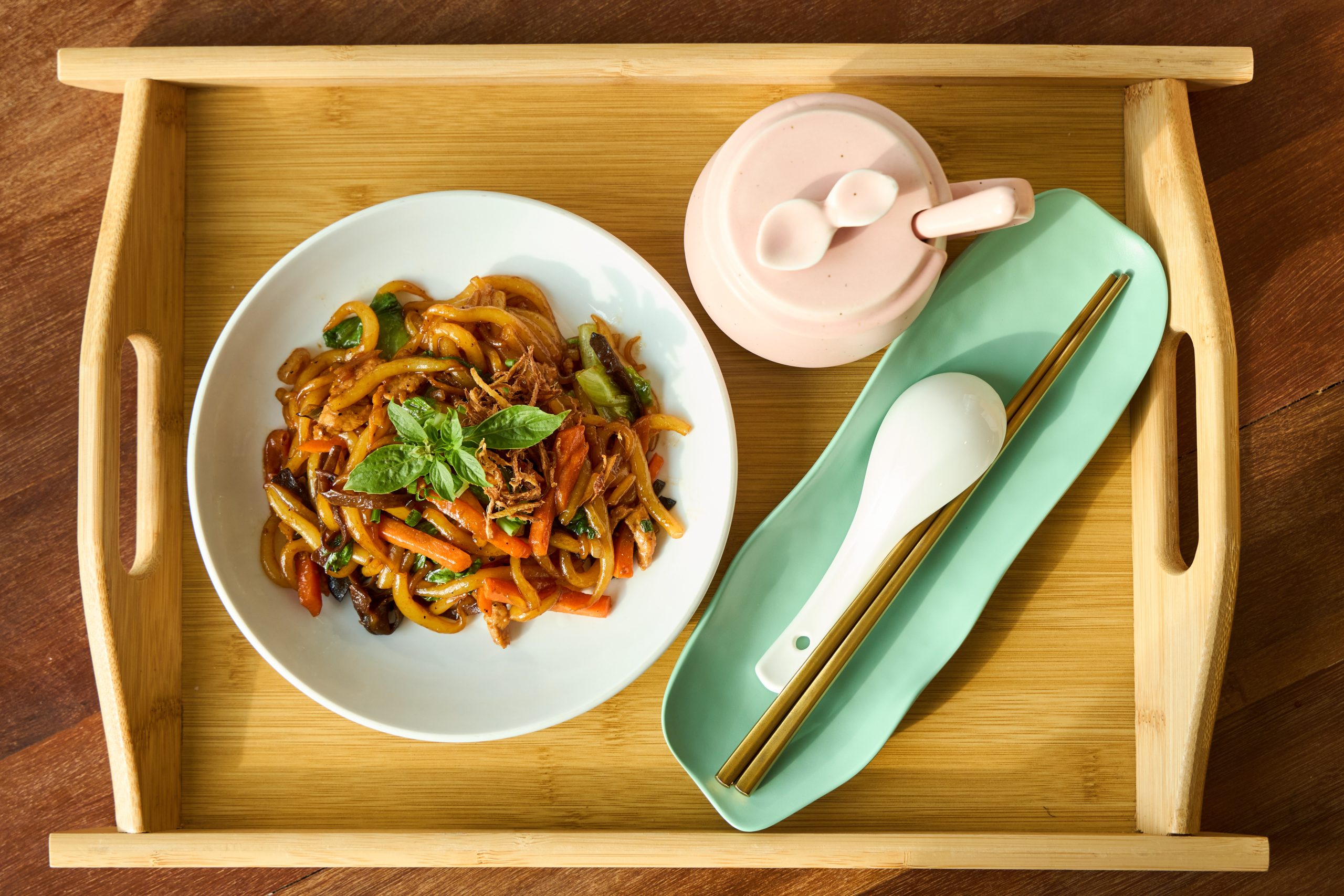
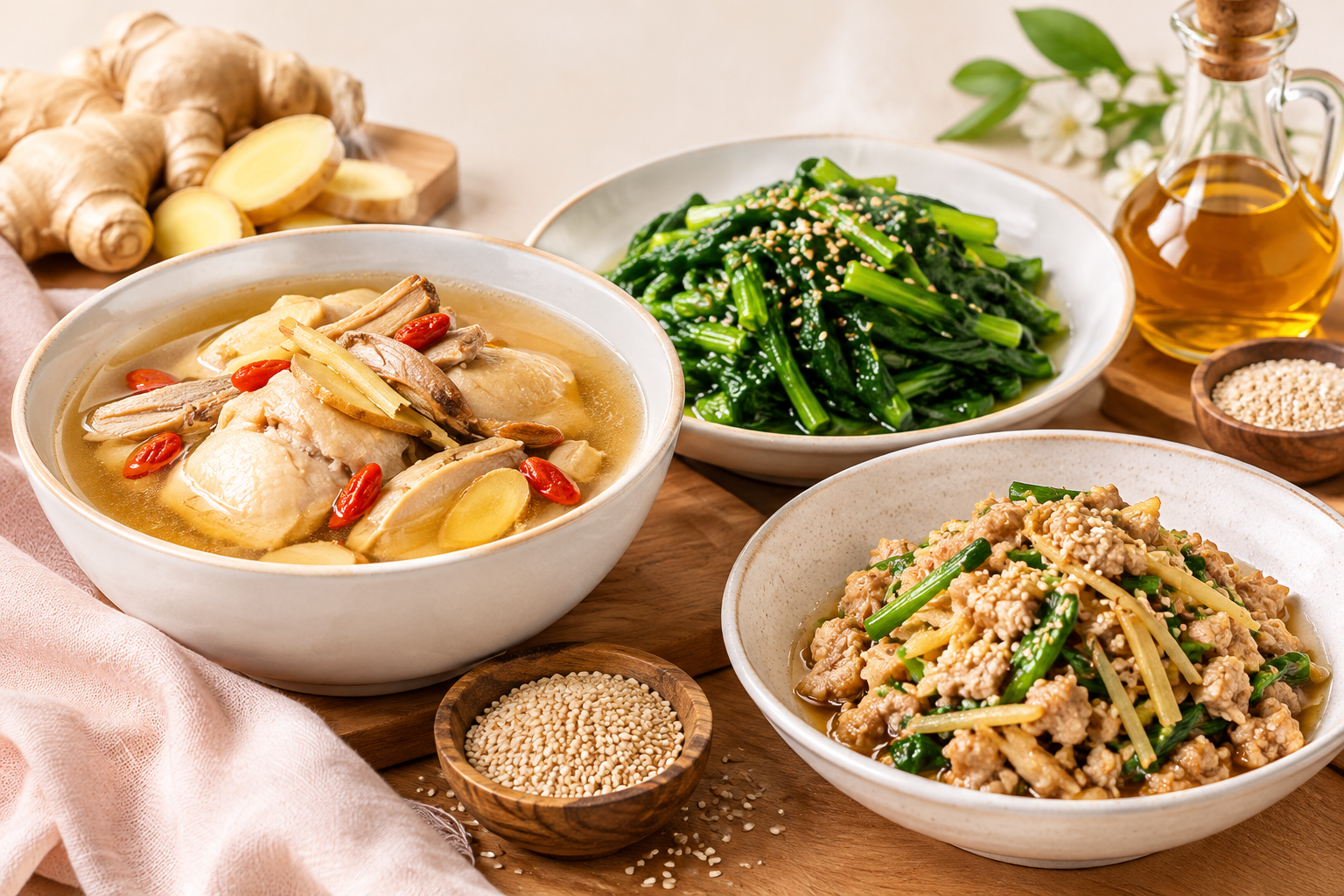
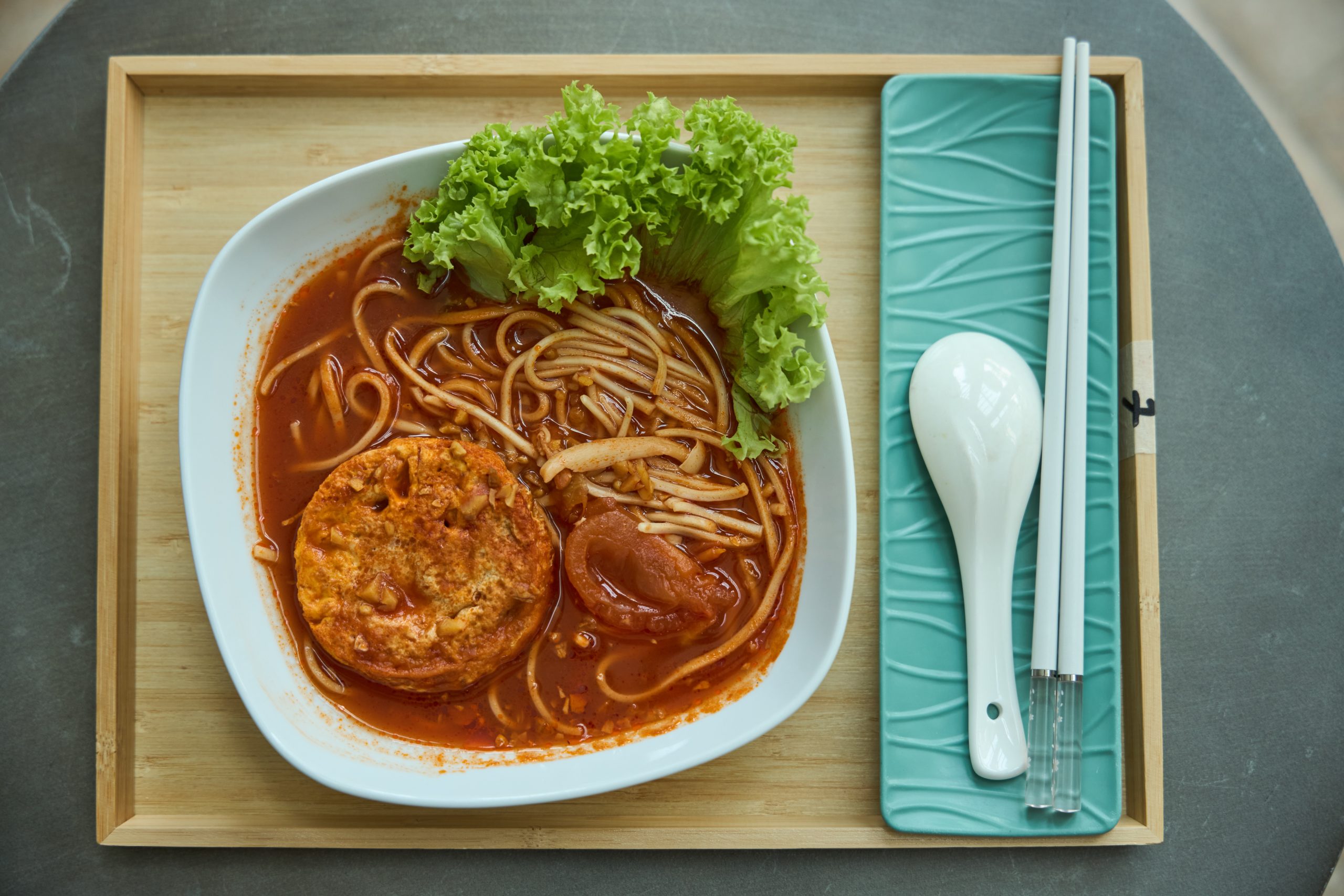
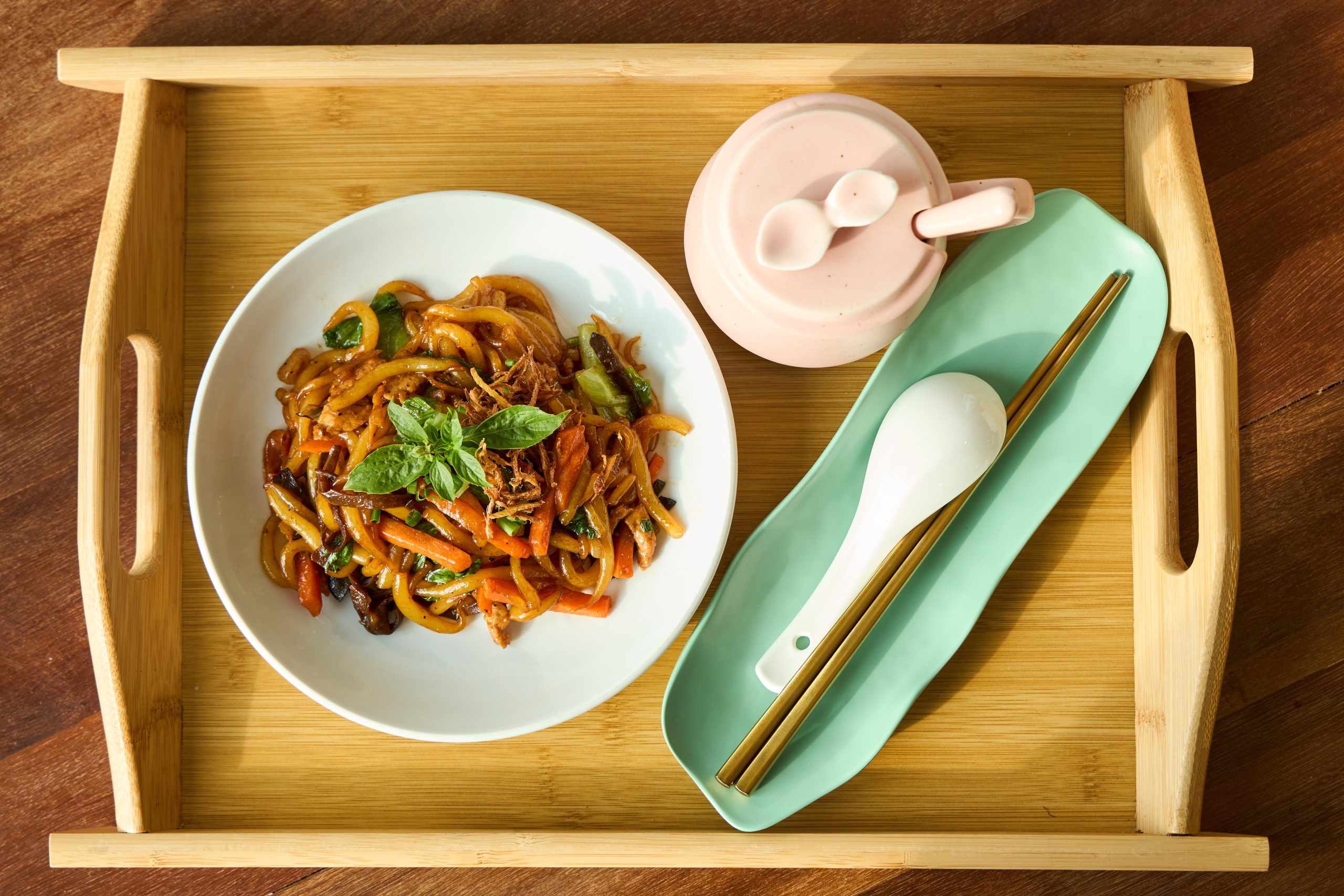
Confinement food in Malaysia is traditionally warm, home-cooked and light on cold or raw items. Common choices include:
- Soups and broths with chicken, fish or pork ribs
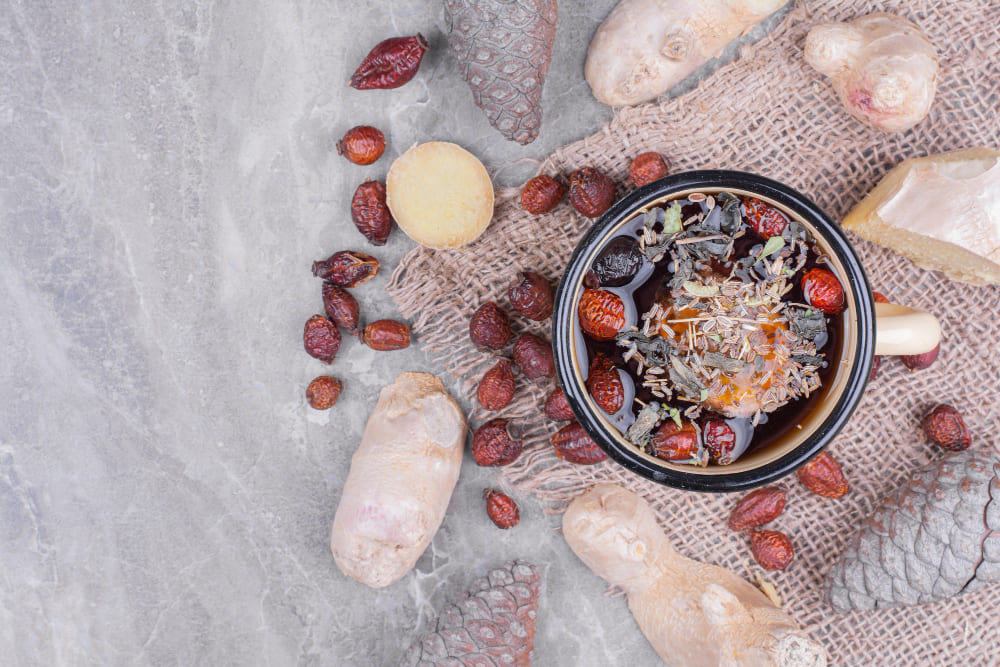
- Ginger, black fungus, red dates and goji berries
- Leafy greens, well cooked
- Plenty of protein such as fish, eggs and lean meat
- Warm drinks such as red date tea or longan tea
Good meals support healing and milk supply. Many mums say the food is the part of confinement they miss most.
3. Do stay hydrated

Drink warm water through the day, especially if you’re breastfeeding. Keep a bottle next to your feeding spot.
4. Do keep warm
Wear socks and comfortable long clothing, and avoid sitting directly under strong air-conditioning or fans. Many families follow this tradition, and staying comfortable also helps you rest.
5. Do accept help

Let your husband, family or a trained confinement nanny take over cooking, laundry and night duties. Asking for help is part of the process, not a weakness.
6. Do practise gentle movement
Short, slow walks around the house help circulation and recovery. Follow your doctor’s advice on when to begin, especially after a C-section.
7. Do consider postnatal massage
Many mums find a professional postnatal massage helpful for aches, circulation and relaxation. Check with your doctor first, especially after a C-section. At The Senses, our postnatal care for mothers focuses on rest, recovery and emotional support.

8. Do look after your mental health
Mood swings and tearfulness are common in the first two weeks, often called the “baby blues”. If sadness, anxiety or hopelessness lasts longer than two weeks or feels overwhelming, speak to your doctor. Postnatal depression is common and treatable.
9. Do get breastfeeding support early
Latching and milk supply can be tough at first. A lactation consultant, nurse or experienced confinement caregiver can make a big difference in the first days.
1. Don’t lift heavy things
Avoid heavy lifting, long periods of standing and strenuous chores. Your pelvic floor and abdominal muscles need time to recover.

2. Don’t eat cold or raw foods
Traditional confinement advice is to avoid ice drinks, ice cream, salads and raw seafood. Even outside tradition, undercooked food is best avoided after birth.
3. Don’t overdo traditional herbs and alcohol
Dishes cooked with ginger and rice wine or sesame oil are a staple of confinement food, but they are not right for everyone. If you have high blood pressure, are breastfeeding, or have had a C-section, check with your doctor on how much is safe.
4. Don’t crash-diet
Your body needs enough nutrition to heal and to produce milk. Wait for your doctor’s clearance and focus on balanced meals. Weight usually comes down gradually.
5. Don’t ignore warning signs
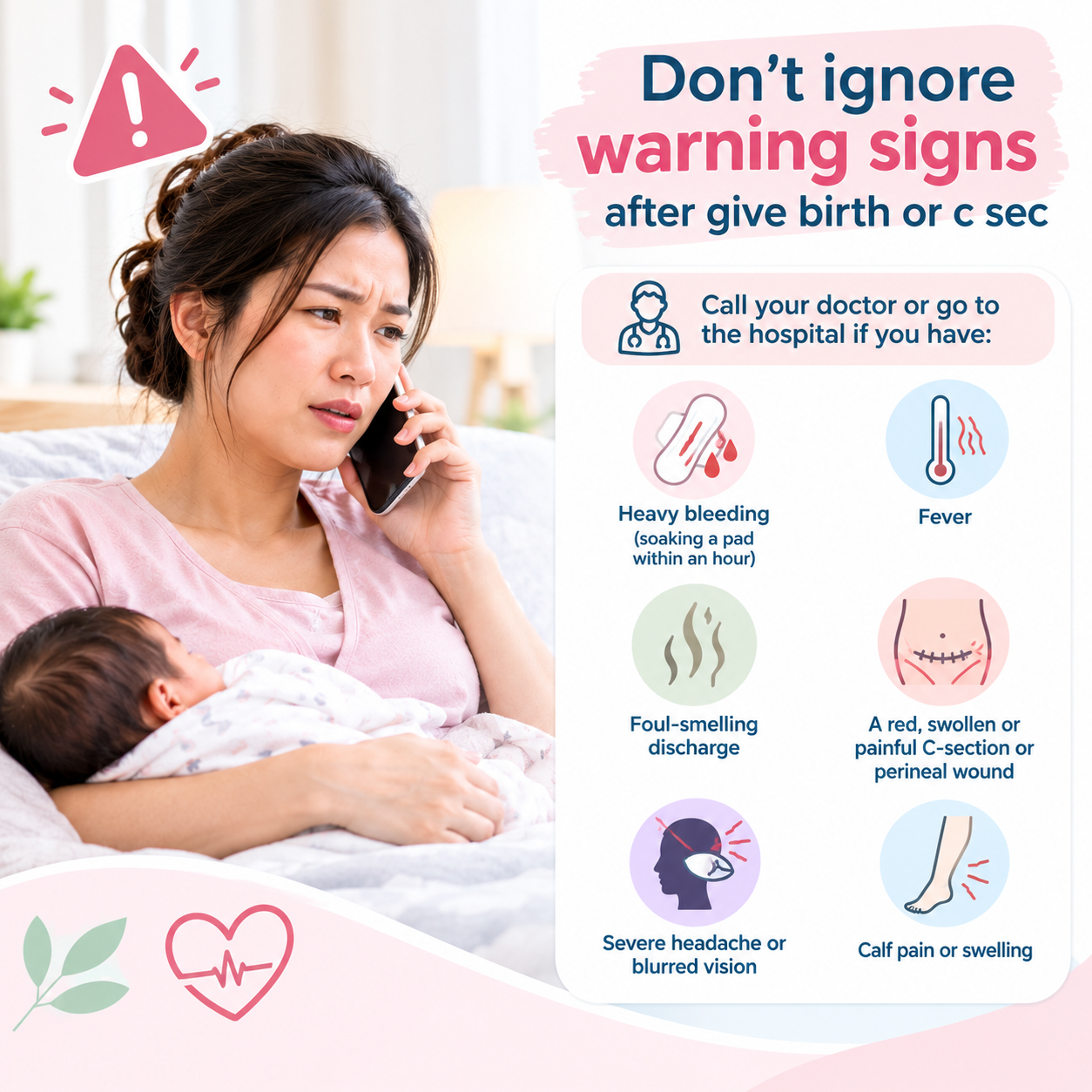
Call your doctor or go to the hospital if you have:
- Heavy bleeding (soaking a pad within an hour)
- Fever
- Foul-smelling discharge
- A red, swollen or painful C-section or perineal wound
- Severe headache or blurred vision
- Calf pain or swelling
6. Don’t spend hours on your phone or reading in dim light
Your eyes and rest both matter. Keep screen time light so you actually sleep when you get the chance.
7. Don’t feel pressured by every piece of advice
Not every old rule suits every mum. Keep what helps you rest and heal, and politely set aside what doesn’t. Your doctor’s advice comes first.
Confinement Myths: Can I Bathe and Wash My Hair?
This is one of the most common questions from first-time mums. Traditionally, mums were told not to bathe or wash their hair. Today, most families allow showering with warm or herbal water, then drying hair and body well right away. Good hygiene lowers the risk of infection, especially around wounds. Ask your doctor or confinement caregiver what’s suitable for your delivery type.
Should You Stay at Home or at a Confinement Centre?
Both can work. The right choice depends on your budget, family support and how much help you want.
| Confinement at Home | Confinement Centre | |
|---|---|---|
| Meals | Cooked by family or nanny | Prepared meals planned for recovery |
| Baby care | You and family | Trained nurses, day and night |
| Rest | Often interrupted | Dedicated rest time |
| Support | Depends on family | Breastfeeding help and care on hand |
If you’re a first-time mum, a confinement centre can ease the pressure by letting you rest while professionals handle feeding schedules, baby care and meals. You can see what’s included in our confinement packages.
Final Thoughts
Confinement is a short season, but it shapes your recovery for months after. Rest well, eat warm and nourishing food, accept help, and follow the traditions that work for you and your doctor’s advice.
If you’re planning your confinement in Selangor or Klang Valley, The Senses Confinement Centre has outlets in SS7 Petaling Jaya, Section 16 Petaling Jaya and Kota Kemuning. Our team provides warm meals, round-the-clock care and gentle support for you and your newborn.
Ready to plan your confinement? WhatsApp us at +6012-989 4844 to book a visit or ask about packages.
FAQ (add as FAQ schema for Google featured snippets)
How long is confinement in Malaysia?
Usually 28 to 44 days, depending on the family’s tradition.
Can I shower during confinement?
Yes, in most cases. Use warm or herbal water, dry yourself quickly, and keep any wound clean. Ask your doctor if unsure.
What foods should I avoid during confinement?
Cold drinks, raw foods and very oily or gassy foods are commonly avoided. Check with your doctor about herbs and alcohol-based dishes.
Is a confinement centre worth it for first-time mums?
Many first-time mums find it helpful because of round-the-clock baby care, prepared meals and breastfeeding support.